Can This Error Be Fixed Without Data Loss?
✅ If fsck_apfs can repair it → no data loss
⚠️ If both First Aid & fsck fail → NOT repairable
🔴 Best option → recover data first, then erase
| Scenario | Can repair? | Risk |
|---|---|---|
| First Aid works | ✅ Yes | Low |
| fsck_apfs works | ✅ Yes | Medium |
| Both fail | ❌ No | High (data loss risk) |
Case 1: Minor corruption (rare)
If the drive has minor corruption, running First Aid again will likely repair the file system structure. Hence, no data loss.
👉 This is the best-case scenario, but it's relatively uncommon for this specific error.
Case 2: Repairable via Terminal
If First Aid fails to repair the drive but fsck_apfs manages to do the job, the file system is partially recoverable.
👉 Data is usually preserved, but there is some risk depending on the extent of corruption.
Case 3: Not repairable (most cases)
In most cases, both First Aid and fsck_apfs will fail, and the file system structure cannot be rebuilt. The best option is to recover data first, then erase and reformat the disk.
👉 At this point, the drive is not repairable without data loss.
Tips: If repair tools fail, the problem is not just an error; it's a structural failure of the file system. Trying to fix it further may reduce your chances of recovery.
What Does "APFS Object Map Is Invalid" Mean?
The error "APFS Object Map Is Invalid" usually indicates a problem with the file system's metadata, not your actual files. In simple terms, the system can no longer locate where your files are stored on the disk.
Think of it like a map being damaged. The data may still exist, but macOS doesn't know how to find or access it.
When this error occurs, the drive typically becomes unusable in normal ways. You may notice:
- The disk fails to mount in Disk Utility.
- First Aid reports errors and cannot complete repairs.
- The drive appears in Finder but is inaccessible or unresponsive.
In many real-world cases, users first encounter this issue after a sudden disconnect, system crash, or improper ejection. The post below is an example.
"I couldn't mount one of my APFS volumes on macOS High Sierra this morning, so I ran Disk Utility to check and repair it. But I got an error message: "APFS object map is invalid". I searched it on the internet but didn't find a useful answer to fix the "APFS object map is invalid" error. Anyone can help me?"
Step 1: Try Repair (Before Recovery)
Before attempting data recovery, it's worth trying to repair the file system—but only once, and with caution. If repair fails, do not keep retrying.
Method 1: Use Disk Utility (First Aid)
This is the simplest way to attempt a repair.
- Open Disk Utility.
- Click View > Show All Devices.
- Select the affected APFS volume.
- Click First Aid > Run.
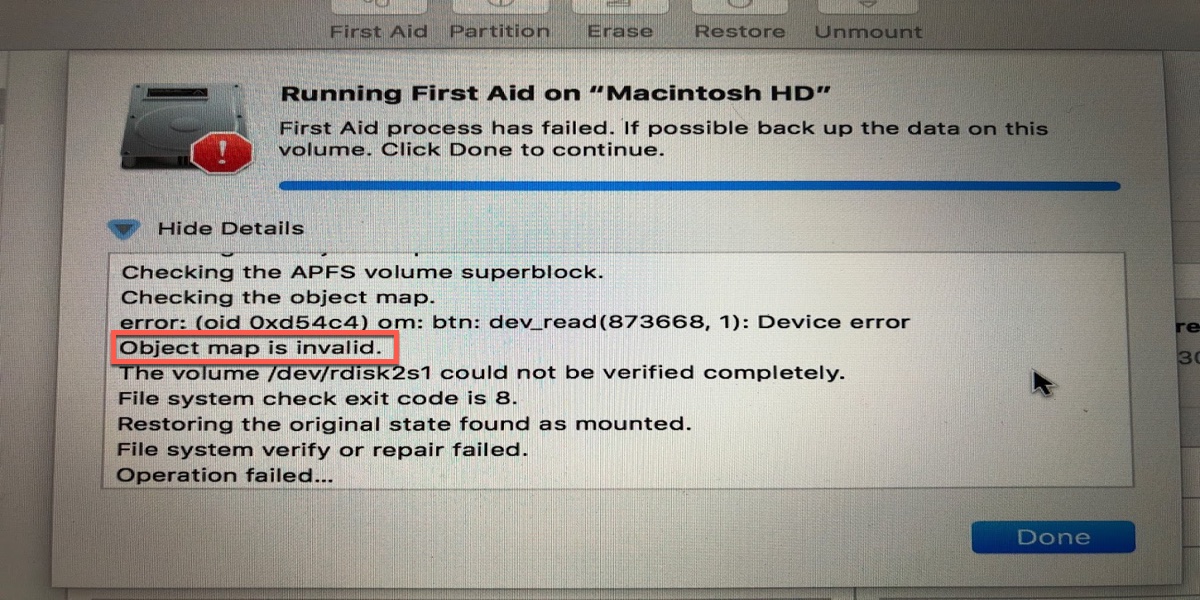
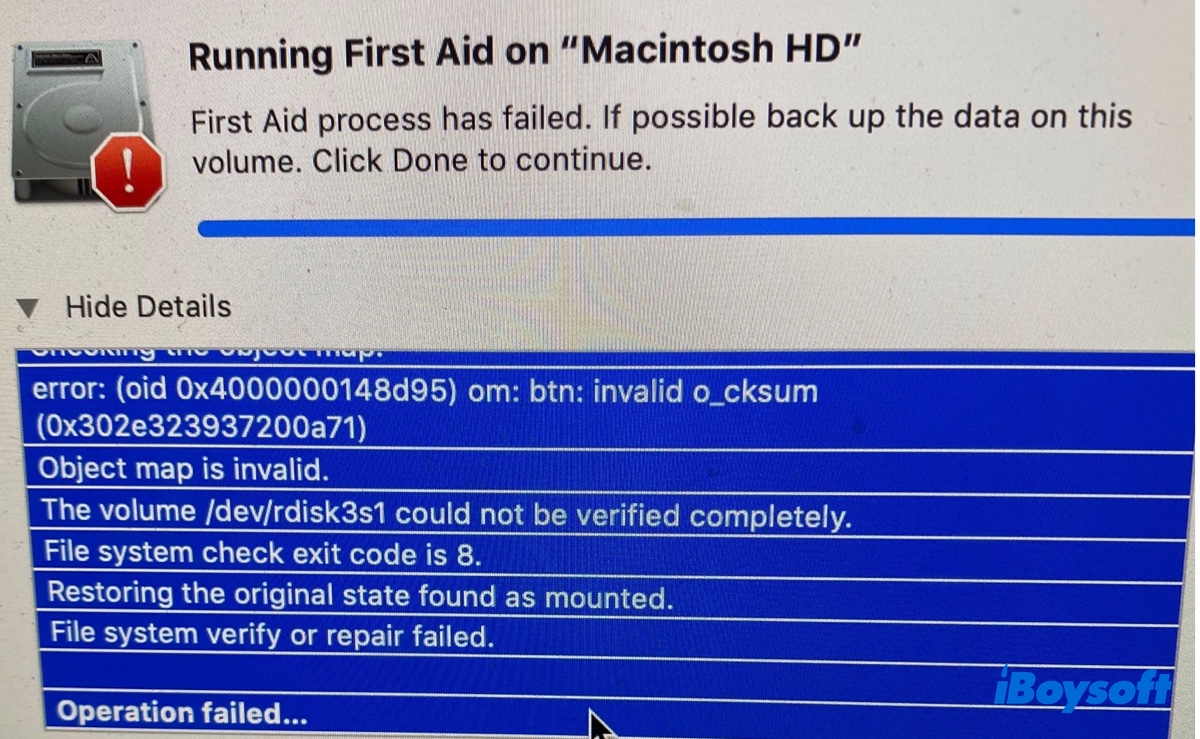
If the issue is minor, First Aid may fix the file system and restore access. However, if it fails, you may see errors like "First Aid process has failed…. APFS object map is invalid."
Method 2: Use fsck_apfs (Advanced)
If First Aid fails, you can try fsck_apfs using Terminal. It is available on macOS High Sierra (10.13) and later. While Disk Utility's First Aid uses similar underlying checks, running fsck_apfs manually can provide more detailed output and, in some cases, attempt deeper repairs.
- Launch Terminal.
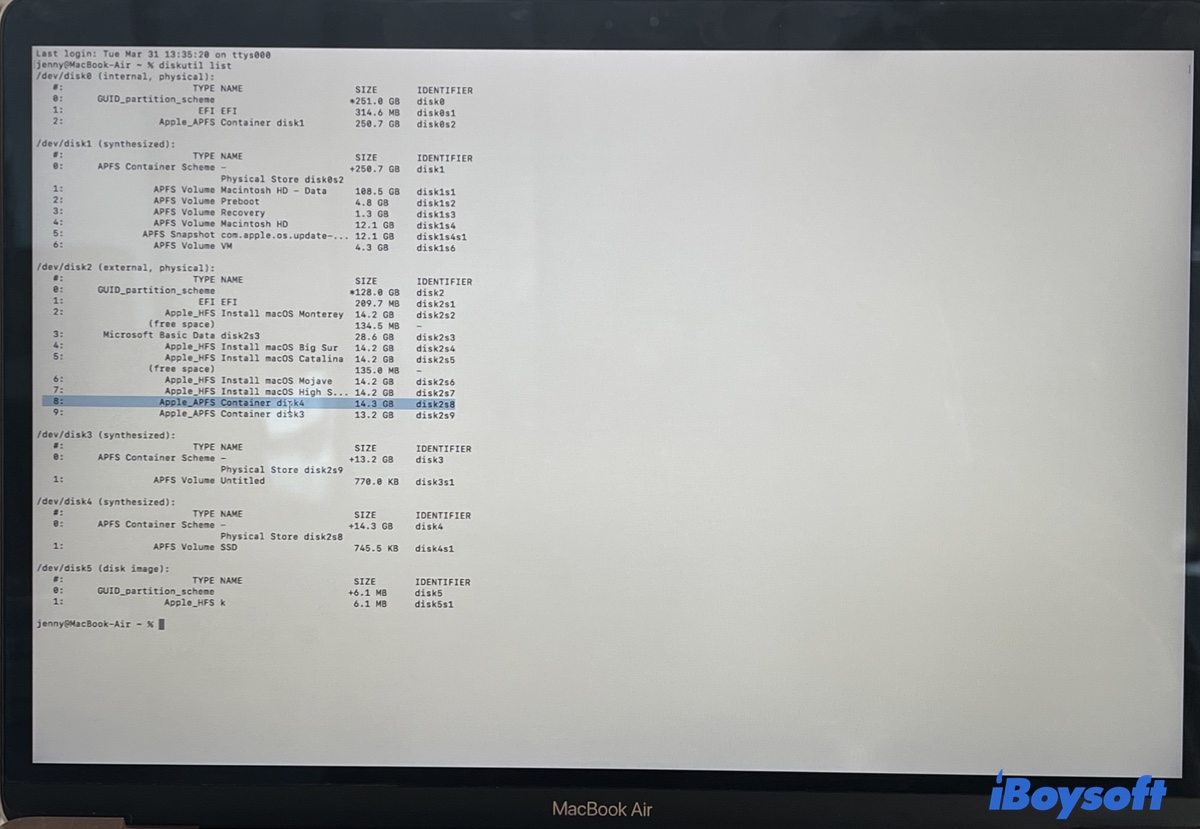
- Run the command below to locate your disk identifier. (e.g., /dev/disk2s1)diskutil list
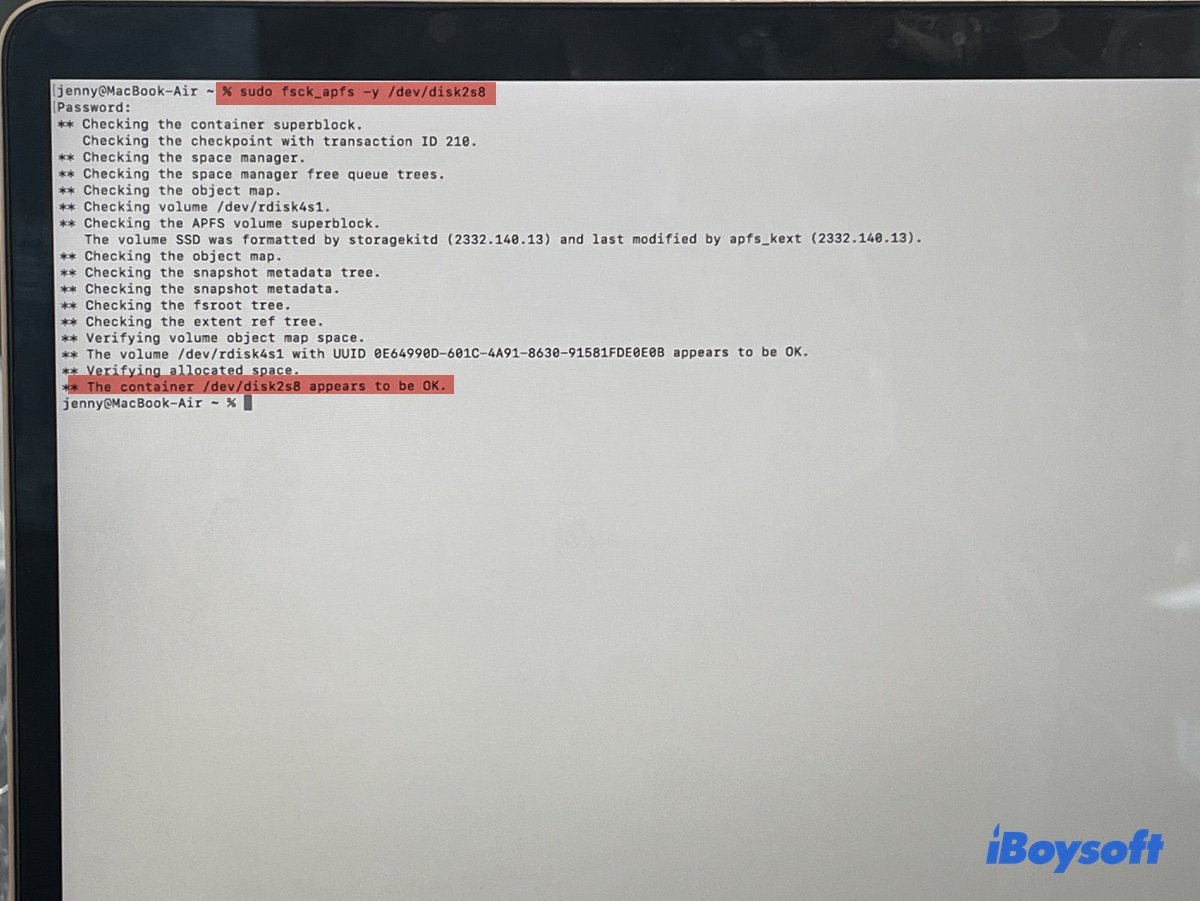
- Repair the drive with the following command after replacing diskXsX with your own disk information.sudo fsck_apfs -y /dev/diskXsX
- Type your login password and hit Enter.
- Wait for the repair to be complete.
If the fsck repair is successful, you'll see a message like "The container /dev/disk2s8 appears to be OK." The disk should mount normally after this.
If the fsck repair fails with errors like "Object map is invalid" or "Unable to repair this volume," it means the file system structure cannot be fixed.
Step 2: Recover Data If Repair Fails
If the disk cannot be repaired, your priority should immediately shift to data recovery.
Why recovery comes before formatting: Reformatting will erase the file system structure. If you reformat the drive first, you may permanently lose access to recoverable data.
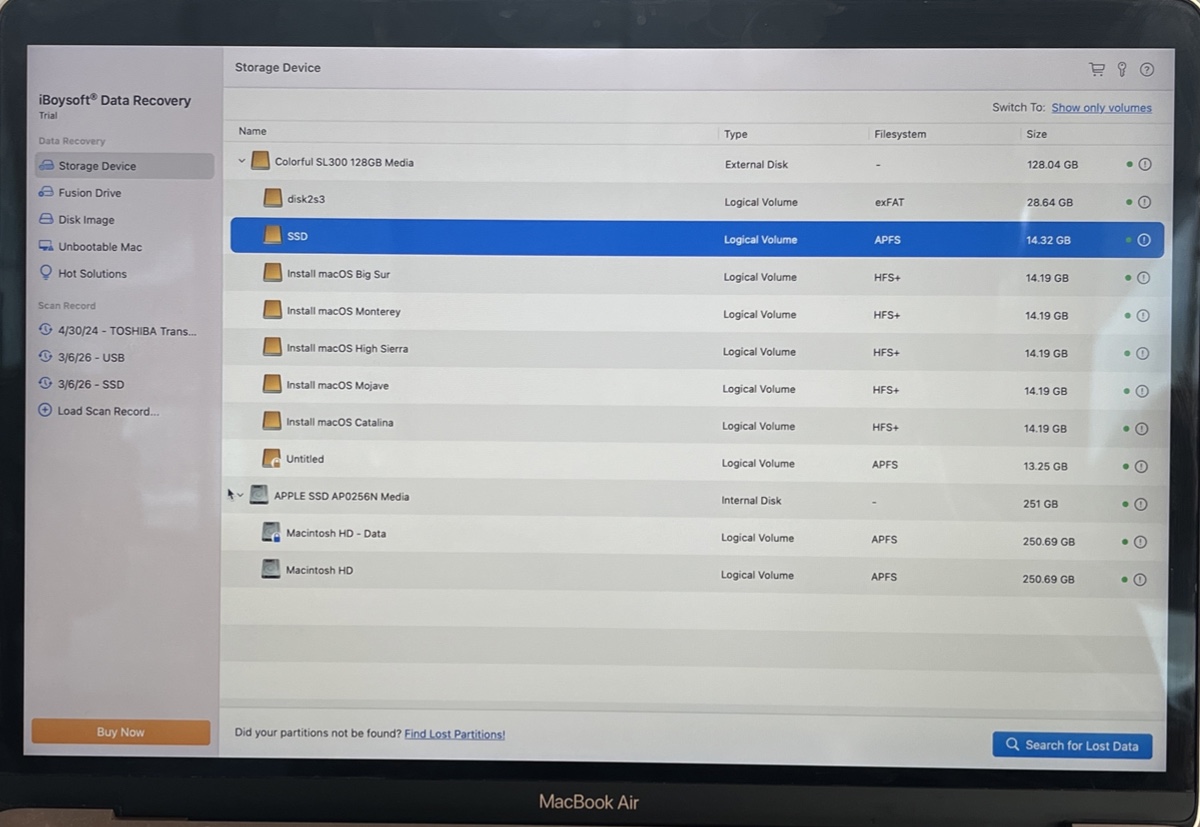
iBoysoft Data Recovery for Mac can recover lost data from an APFS volume when its APFS object map is invalid. Follow the structured approach below to maximize success:
- Launch iBoysoft Data Recovery for Mac.
- Select the APFS volume whose APFS object map is invalid and click the "Scan for Lost Data" button to scan lost files.
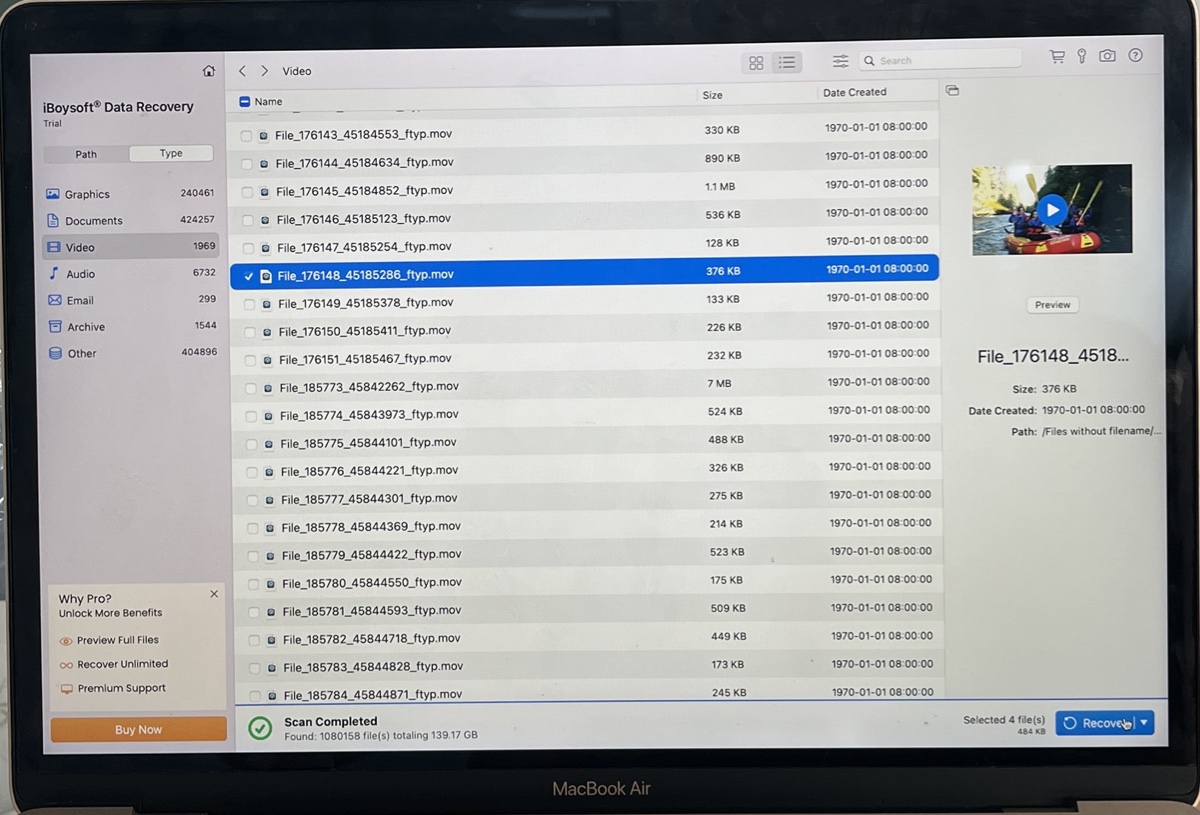
- Preview the search results.
- Choose the files you need, and click "Recover" to get them back. (Remember to save the recovered files to another drive.)
Step 3: Reformat the APFS Drive
If the drive cannot be repaired and your data has already been recovered (or is no longer needed), reformatting is the final step to restore usability.
- Launch Disk Utility.
- Tap View > Show All Devices to see all disks and volumes.
- Select the physical disk of your APFS drive, then click Erase.
- Name it.
- Choose a format.
- Ensure the scheme is GUID Partition Map.
- Click Erase again.
👉 If you're unsure, exFAT is the safer choice for flexibility.
Recovery vs. Repair: Which Should You Choose?
When facing APFS corruption, choosing the right approach can make the difference between saving your data and losing it permanently.
Here's a quick comparison:
| Method | Success rate | Risk | When to use |
|---|---|---|---|
| First Aid | Low | Low | Minor issues |
| fsck_apfs | Medium | Medium | Advanced users |
| Data Recovery | High | Low (if done first) | Severe corruption |
What Causes This Error?
This error is usually triggered by underlying file system issues, such as:
- Sudden power loss or improper ejection
- File system corruption over time
- Occasional macOS bugs or system crashes
In most cases, it's not a single event but a combination of factors.
FAQs
- QWill I lost data when facing the invalid APFS object map error?
-
A
Not always. If the corruption is minor, repair tools may fix it without data loss. However, in severe cases, recovery is required before formatting.
- QCan I fix the invalid APFS object map error without formatting?
-
A
Yes, try First Aid or fsck_apfs first. Only consider formatting after recovery or if no important data is present.
- QIs APFS corruption permanent?
-
A
Not necessarily. Logical corruption can sometimes be repaired, but structural damage may require data recovery instead of repair.