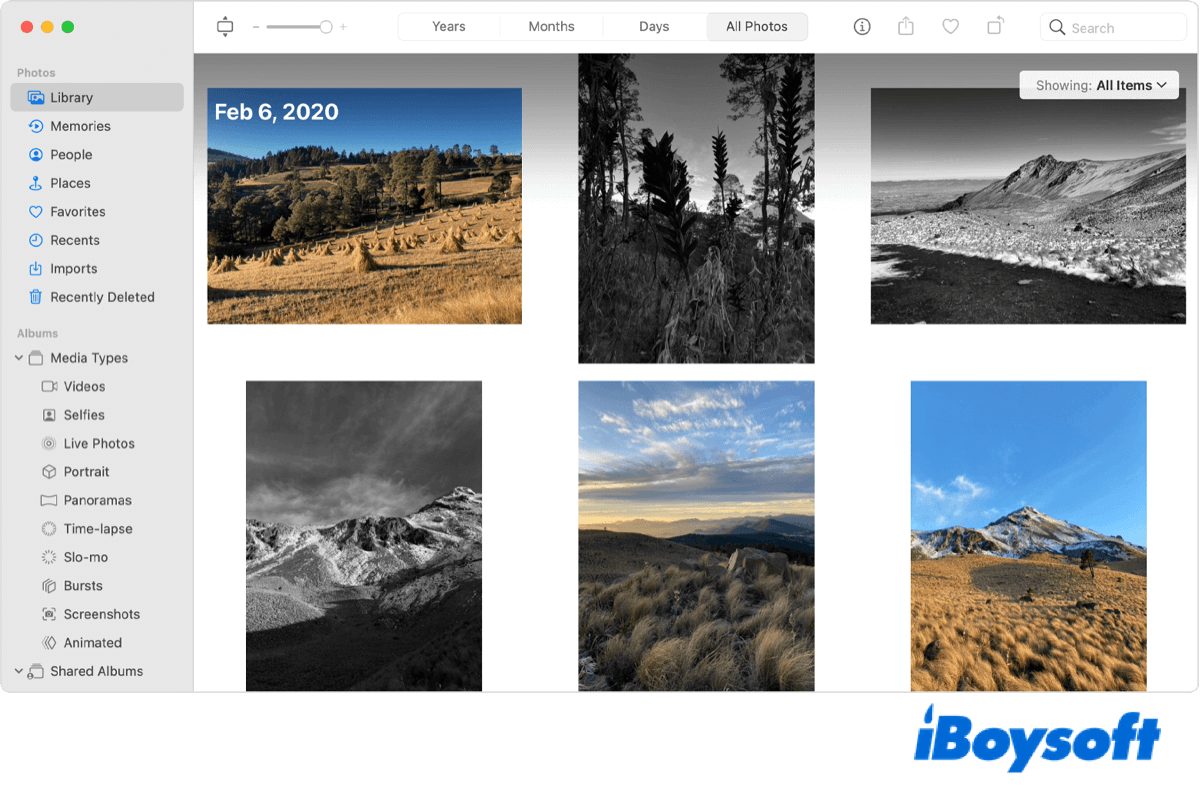
Before you start:
- Back up your Photos Library or export important originals before bulk deleting or moving photos.
- Do not manually edit the contents of the Photos Library package in Finder.
- If iCloud Photos is turned on, deletions and album changes may sync to other Apple devices.
- If photos are missing or deleted, stop adding new files and try recovery first.
There are an extensive library of methods to organize photos on Mac. Where are your photos stored on Mac? Which way should you choose? You may need the method selection table below:
| Your Situation | Best Method | Use this section | Product/Safety Note |
| Photos are inside the Photos app | Albums, folders, Smart Albums, Favorites, Shared Albums | Organize photos in the Photos app | Native Photos app first |
| Image files are on Desktop or in Finder folders | Finder folders, naming rules, Stacks, tags, Quick Access | Organize desktop photo files | MagicMenu can help only with Finder/Desktop file workflows |
| You have many repeated photos | Photos app Duplicates utility or manual review | Remove duplicates before organizing | Back up before bulk deletion |
| You do not know where photos are stored | Check Photos Library and Finder locations | Link to where photos are stored on Mac | Route away, do not expand too deeply here |
| Photos are deleted or missing | Recently Deleted, Trash, Time Machine, data recovery | If photos are deleted or missing | Link to recover deleted photos on Mac ; stop writing new data |
Photos Library vs Finder Folders
Photos Library and Finder folders are different. Albums, folders, Smart Albums, Favorites, and Shared Albums organize photos inside the Photos app.
Finder folders organize image files stored outside the Photos Library, such as pictures on your Desktop, Downloads, external drives, or exported folders. Do not open the Photos Library package in Finder to move or delete photos manually.
How to Organize Photos on Mac Using Photos App?
The Photos app is Mac's native photo management and editing tool. It allows users to organize the photo library based on their preferences and edit photos with the built-in Markup feature on Mac.
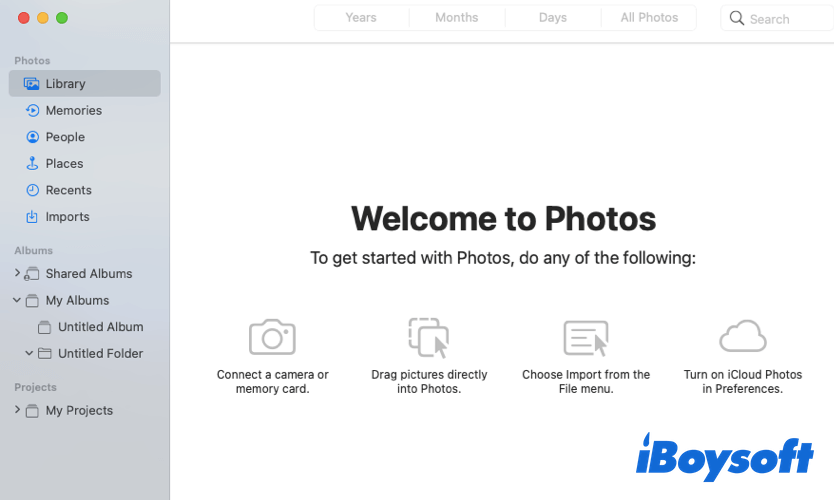
For new Mac users, you might be confused about Photos albums, folders, smart albums, Favorites, and shared albums. Keep reading the comparison table below to know their features, best usage case, and how-to tips.
Albums vs Folders vs Smart Albums
| Feature | Best for | How it works |
| Album | Manual collections | Add selected photos to a collection without moving the original item |
| Folder | Grouping albums | Put related albums under one folder, such as Travel, Family, or Work |
| Smart Album | Rule-based organization | Automatically collect photos by date, keyword, camera, favorite status, or other criteria |
| Favorites | Fast access | Mark your best photos with the heart icon |
| Shared Album | Collaboration | Share selected photos with family or friends through iCloud sharing |
Create Your Own Album in Photos
The Photos app automatically organizes images into categories like Photos, People, Places, Recents, and Imports. It also groups specific image types, such as screenshots, Live Photos, and selfies, into separate albums.
You can browse photos by year, month, or day, making it easier to find images without manually sorting through your library. However, while Photos can group pictures by basic criteria like date and location, it may not organize photos from a specific trip or event effectively.
For better organization, you can create custom albums and add photos based on your own needs. Here's how to create an album in Photos on Mac:
- Open Photos on your Mac.
- In the left column, choose My Albums, and click on “+”.
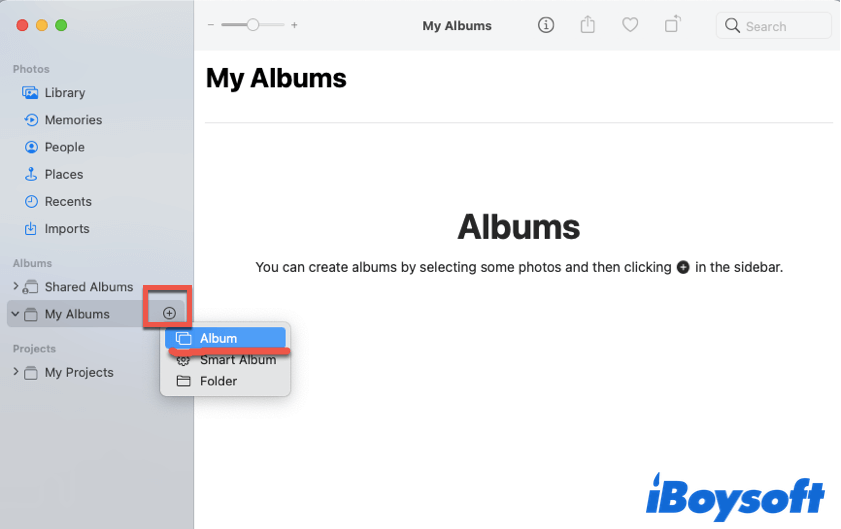
- Name the newly created album, or it will show as an Untitled Album by default.
Now you've created a new album successfully. But it stays empty for now; you should add photos to it manually. To add photos to the album, simply select the images you want and drag them into the newly created album.
Add Photos to Existing Albums
If you want to add photos to an existing album, like Memories or Places, the thing you should do is all about dragging and dropping. Select the images you want, drag them to the album that suits you best, and release your finger from the mouse or trackpad.
Think this is helpful? Share it now!
Create a Smart Album for Your Photos
Smart Album is able to add photos automatically based on event triggers we designate. For example, if you are on a road trip, by setting a range for this Smart Album that encompasses the trip, it will automatically collect all images you snapped on your trip.
Here's how to perform Mac photo management by creating a Smart Album:
- Open Photos on your Mac.
- Click on the plus icon next to My Albums, and choose Smart Album.
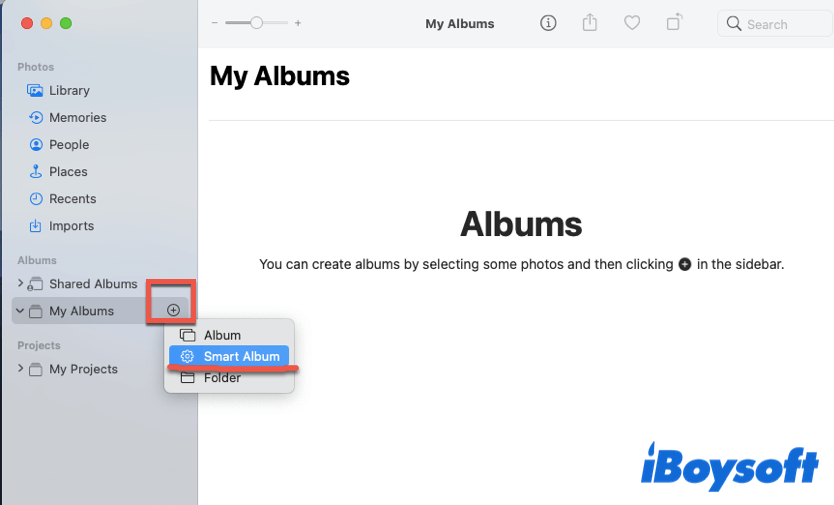
- Name the album first, and choose the parameters that best suit your needs.
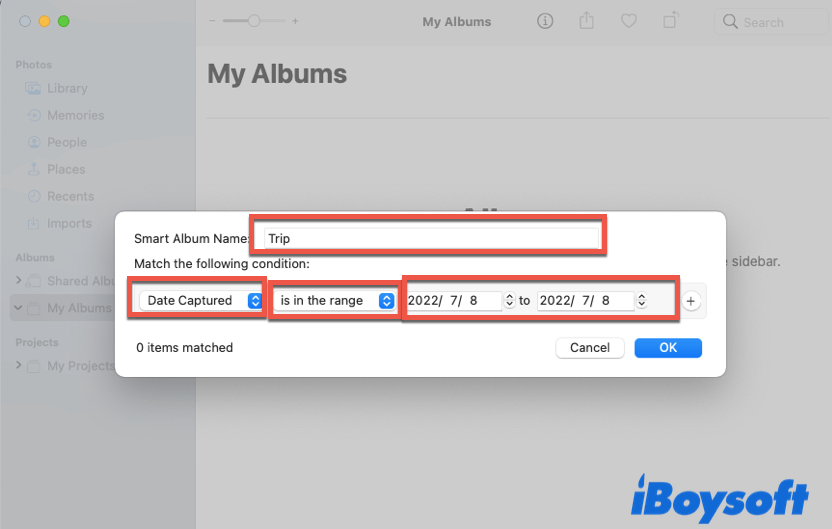
For the road trip we mentioned above, you can select 'Date Captured', 'is in the rage', and the dates of your trip.
Group Albums in Folders
Grouping existing albums into folders can help you further organize photos on your Mac. You may have multiple albums to store photos of your friends, one friend for one album. In this case, you can create a folder named Friends to further manage those albums. Here's how:
- Open Photos on your Mac.
- Click “+” next to My Albums, choose Folder, and name it whatever you like.
- Select the albums you want to add, and drag them into the folder you just created.
How to Favorite Photos
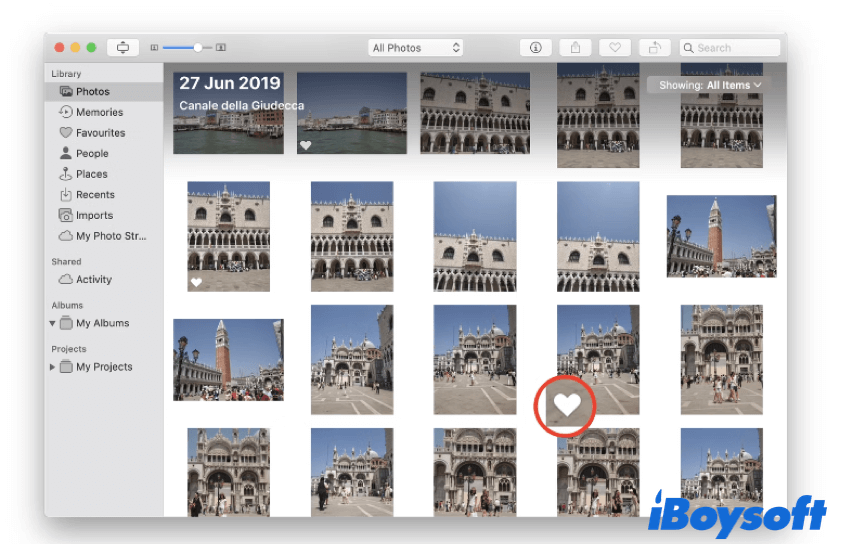
Favoriting photos is one of the simplest yet most effective ways to organize photos on Mac. It allows you to quickly separate your preferred images from the rest and view only your favorites when needed.
To favorite a photo, hover over it and click the heart icon that appears in the bottom-left corner. The photo will then be added to your Favorites album.
Share Photos with Your Family and Friends
If you want to share your photos with your family and others, click the Share icon in the menu at the top of the window and choose a way to share. You can share them via Mail, Messages, AirDrop, etc.
Besides, you can create a Shared Album. With a Shared Album, your family and friends using Apple iCloud can see the photos in it; they can also comment, like, and even add photos. Here's how to organize photos on Mac with Shared Albums:
- Open Photos on your Mac.
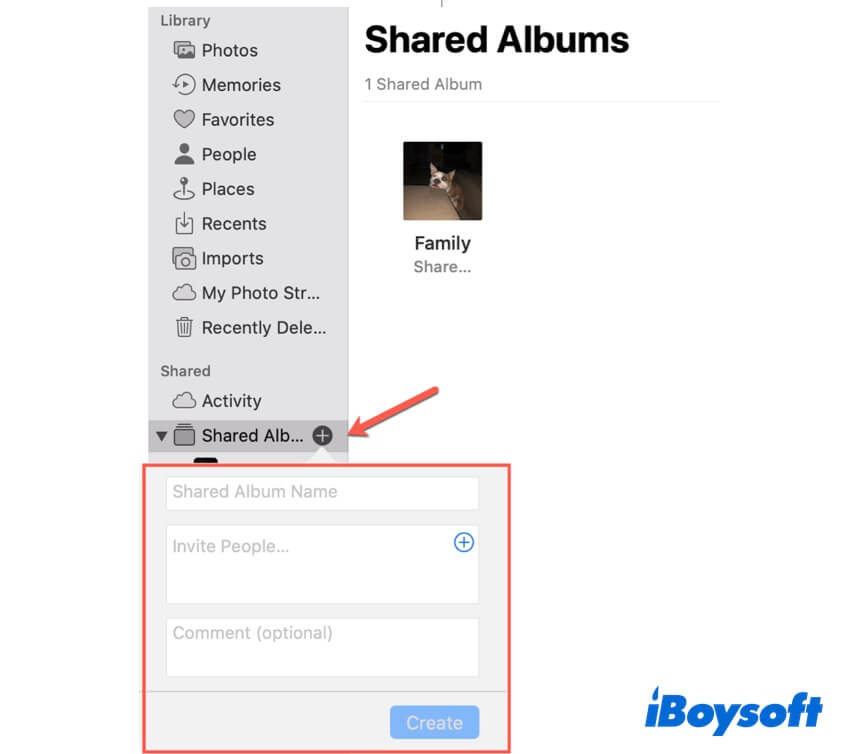
- In the left sidebar, click “+” next to the Shared Albums.
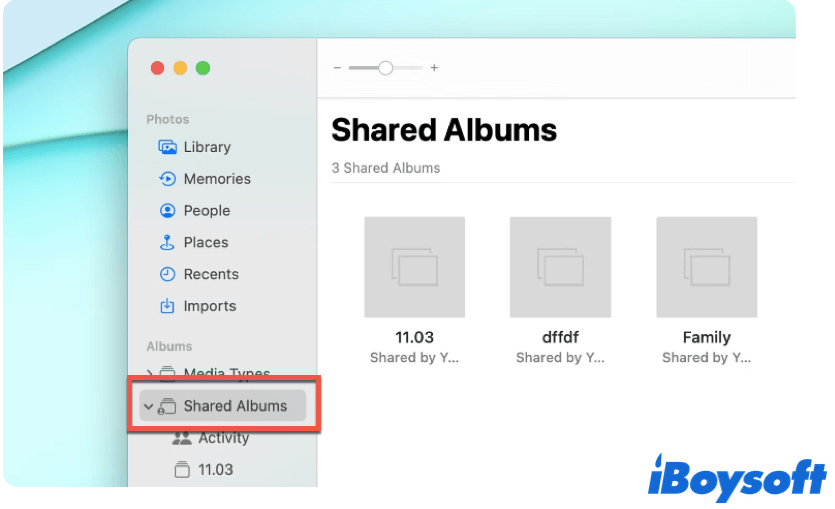
- Name the album, invite people to collaborate, and click Create.
- Click All Photos in the sidebar.
- Drag and drop the photos you want to add to that album.
Let more people see this content by sharing it!
Remove Duplicate Photos Before Organizing
If duplicate photos make your library hard to manage, open Photos and check Utilities > Duplicates first. Review the duplicate groups carefully before merging or deleting them.
If your photos are stored as normal files in Finder instead of inside Photos, organize them by folder, date, or tag first, and only use a duplicate finder after backing up important files.
How to Organize Photos on Mac Desktop?
Apart from photos in the Photos app, you can find photos on Mac in somewhere else, you may wonder how to organize Mac desktop photos. It's common for us can't find a photo on the desktop. So, it is necessary to organize desktop photos and improve work efficiency.
To organize pictures on your desktop, here's what you can do:
- Create a folder for your desktop photos.
- Use Stacks on Mac to help you with Mac photo management.
- Use third-party software to organize desktop photos.
Use iBoysoft MagicMenu for Finder/Desktop Image Files
iBoysoft MagicMenu is useful when your photos are stored as regular image files on the Desktop, in Downloads, or in Finder folders. It can add Quick Access, Copy To, and Move To actions to the Mac right-click menu, so you can open frequent image folders or move selected photos without digging through Finder.
iBoysoft MagicMenu does not organize the Photos Library, albums, Smart Albums, or iCloud Photos. It helps with Finder and desktop image files. Use the Photos app for those items.
Here's how to quickly access a photo using iBoysoft MagicMenu:
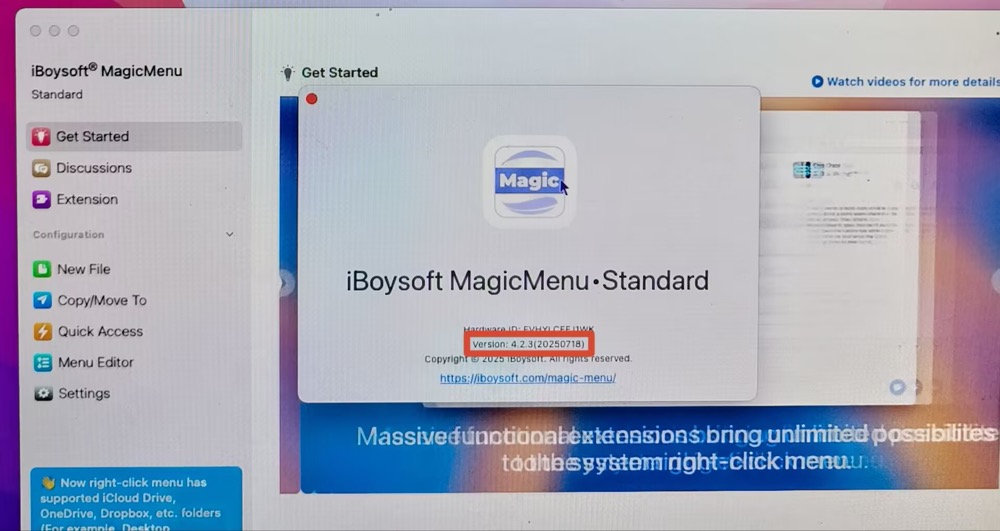
- Download the latest version of iBoysoft MagicMenu ver. 4.2.3 on your Mac. Install and launch it later.
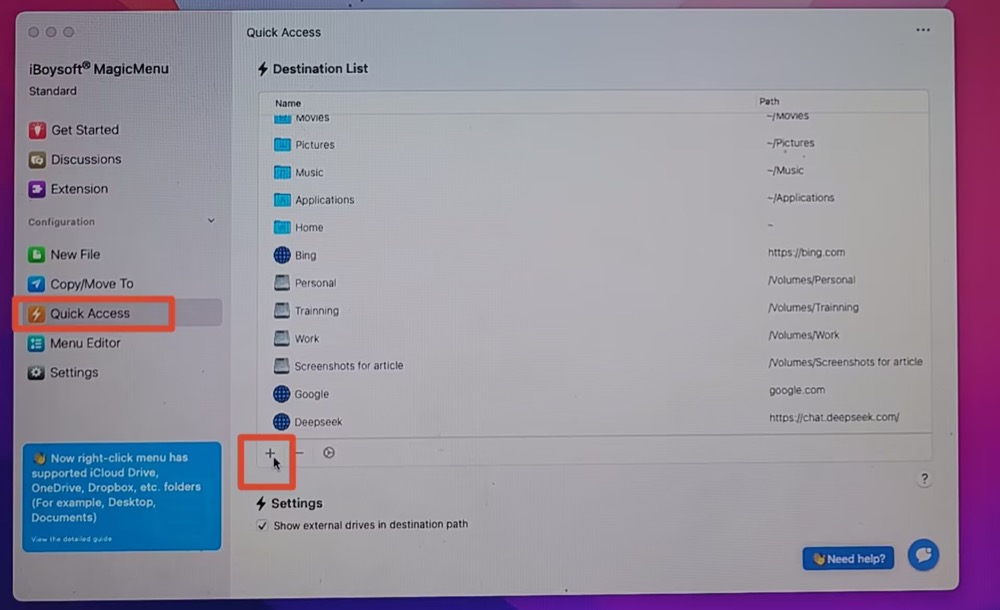
- You can find Quick Access, Copy/Move to, New File, Menu Editor, Extension, etc. features on the left panel. Tap Quick Access > click "+" to add a photo folder, photo volume, or web link for quick access.
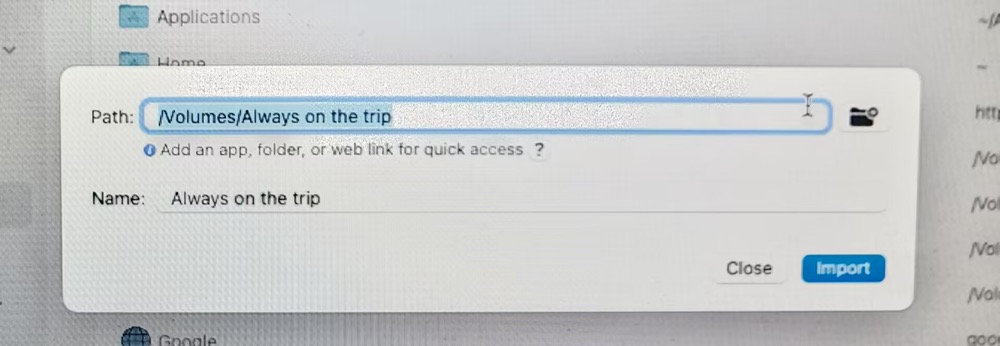
- In the pop-up window, type the target name to locate your destination folder or volume > tap "Import".
If you don't remember the target folder name, no biggie. Click the folder icon in the Path box > select the destination folder from your Mac > tap Open > hit Import. That's it!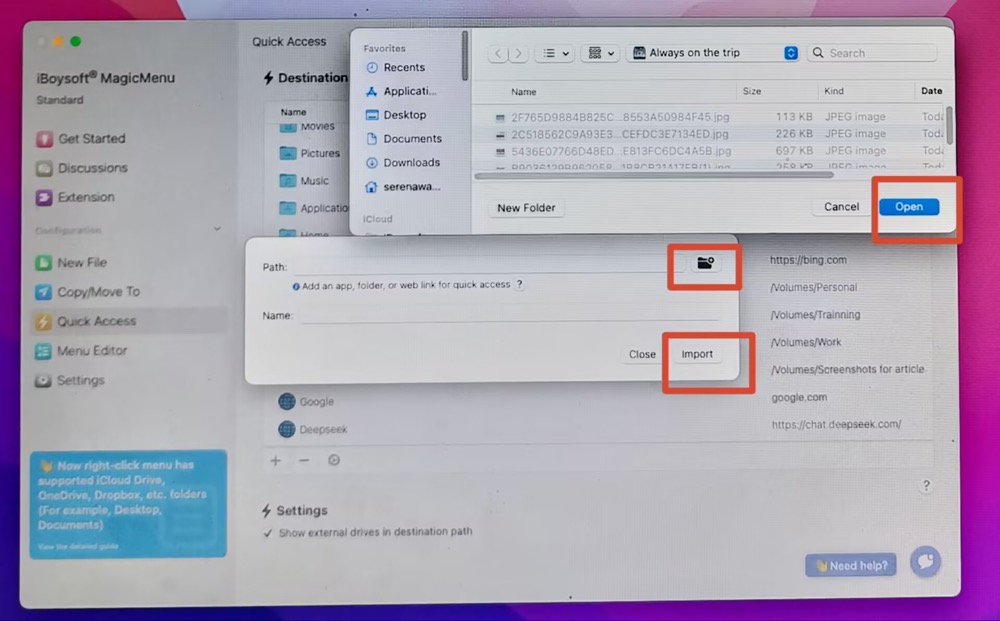
- Right-click on the blank space of your desktop, choose Quick Access, and click the newly created item to quick access the photo.
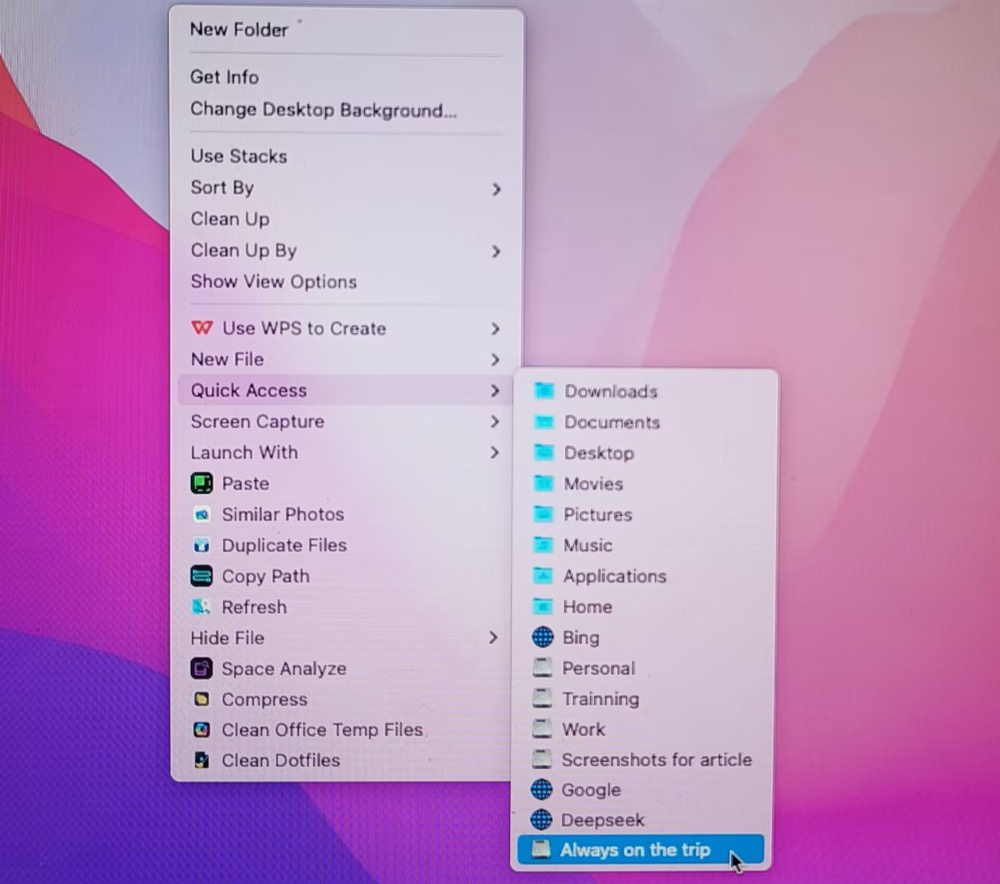
- Beyond Quick Access, you can also use this right-click enhancer to quickly scan and identify similar photos directly from Finder or the desktop.
It is especially useful when managing a large photo collection, as it can help you locate similar and duplicate images more efficiently than the Photos app.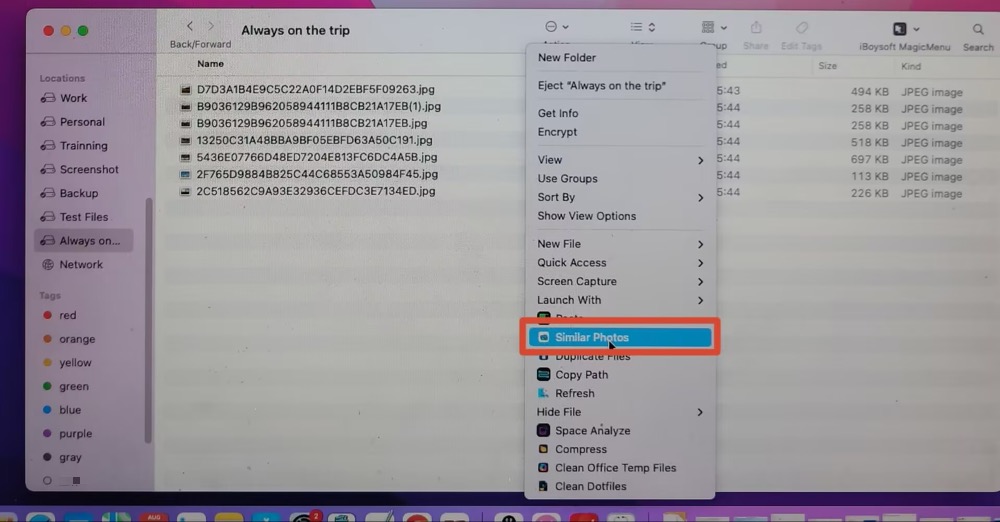
Have you learned how to organize photos on Mac desktop? If you did, share it with more people!
If Photos Are Deleted or Missing Before You Organize Them
Do not import, edit, or save many new files to the same Mac or drive before checking recovery options.
- Check Recently Deleted in the Photos app.
- Check the Mac Trash if the photos were normal Finder files.
- Restore from Time Machine if you have a backup.
- If the photos were permanently deleted and not overwritten, try Mac data recovery software or follow a photo-specific recovery guide.
FAQ
- Q1. Should I organize photos in the Photos app or Finder folders?
-
A
Use the Photos app for photos stored in your Photos Library. Use Finder folders only for image files stored outside the Photos Library, such as files on your Desktop, Downloads folder, external drives, or exported folders.
- Q2. What is the difference between an album and a folder in Photos on Mac?
-
A
An album is a collection of photos. A folder is used to group albums together. A Smart Album automatically collects photos that match rules such as date, keyword, favorite status, or camera information.
- Q3. Can I organize photos on Mac without using the Photos app?
-
A
Yes, but only if the pictures are normal image files in Finder. You can use folders, tags, Stacks, and right-click file actions. Do not manually rearrange files inside
the Photos Library package.
- Q4. How do I organize duplicate photos on Mac?
-
A
In the Photos app, check Utilities > Duplicates and review items before merging or deleting them. For Finder image files, back up important photos before using manual cleanup or duplicatefinding tools.
- Q5. What should I do if photos are missing after organizing?
-
A
Stop adding new files first. Check Recently Deleted in Photos, Mac Trash, iCloud Photos, and Time Machine. If the photos were permanently deleted, use a photo recovery guide before continuing to reorganize the library.