If your external drive or USB drive suddenly appears empty on Mac, you can't see files on USB drives on Mac, or files disappear after reconnecting it, the data is often still there—but not visible.
This usually comes down to three things: files are hidden, the file system is damaged, or the files were actually deleted. The key is not to try random fixes, but to identify the situation first—because each scenario requires a different approach.
What You See on Your Drive Determines the Fix
Before trying any recovery method, take a quick look at how your drive behaves in Finder or Disk Utility. The symptom usually tells you what actually happened.
Files are missing, but storage space is still used
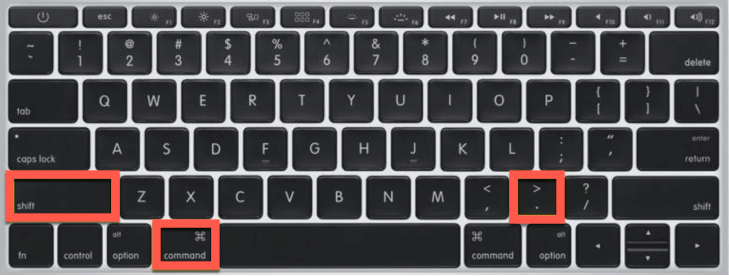
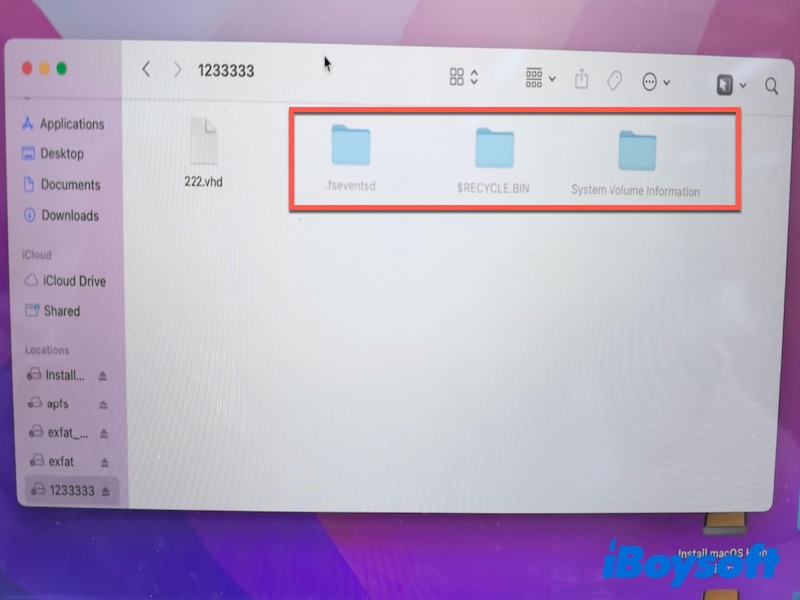
You can't see files on external hard drives on Mac, your files are likely still on the drive, but not visible. This often happens due to hidden files or directory issues → Go to Fix 1 or Fix 3.
Drive shows empty and free space increased
This usually means files were deleted or the drive was formatted → Go to Fix 2 or Fix 4.
Files disappeared after using the drive on another computer
This is commonly caused by file system incompatibility or corruption (e.g., switching between macOS and Windows) → Go to Fix 3.
Fix 2 Check Trash for Recently Deleted Files
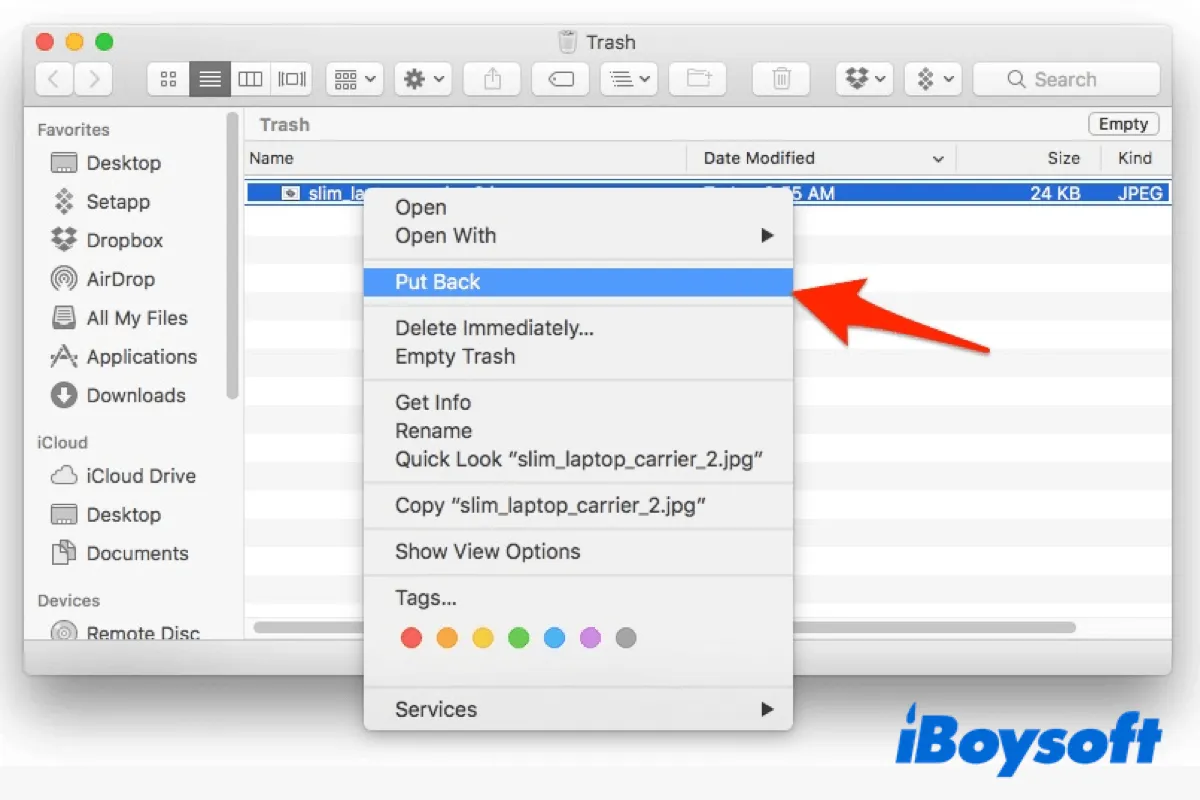
Files deleted from external drives on Mac are often moved to the Trash first, unless permanently deleted.
- Click the Trash icon in the Dock.
- Search or browse for your missing files.
- Right-click the file and choose Put Back.
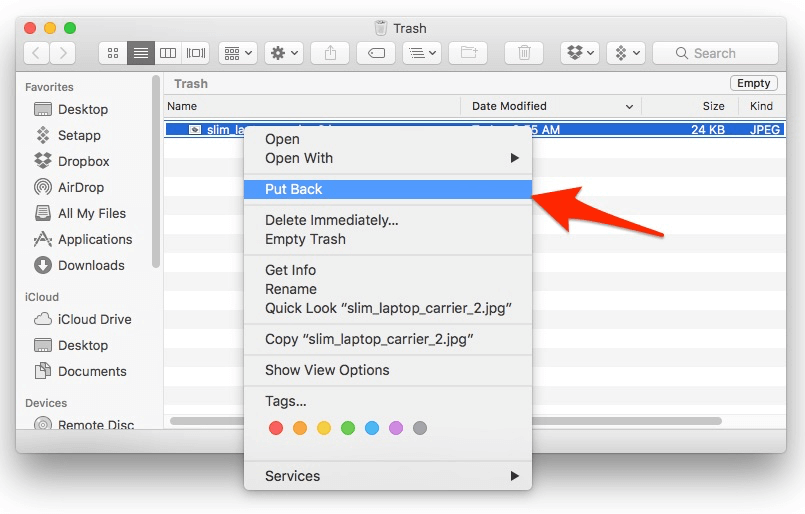
If the original location no longer exists, macOS may restore it to a default path—double-check before moving on.
Fix 3 Repair File System Errors with Disk Utility
If files are missing but not deleted, the issue is often with the file system structure rather than the data itself.
Disk Utility's First Aid checks and repairs directory errors, which can make invisible files reappear.
- Open Disk Utility (Applications > Utilities).
- Select your external drive from the left panel.
- Click First Aid → Run.
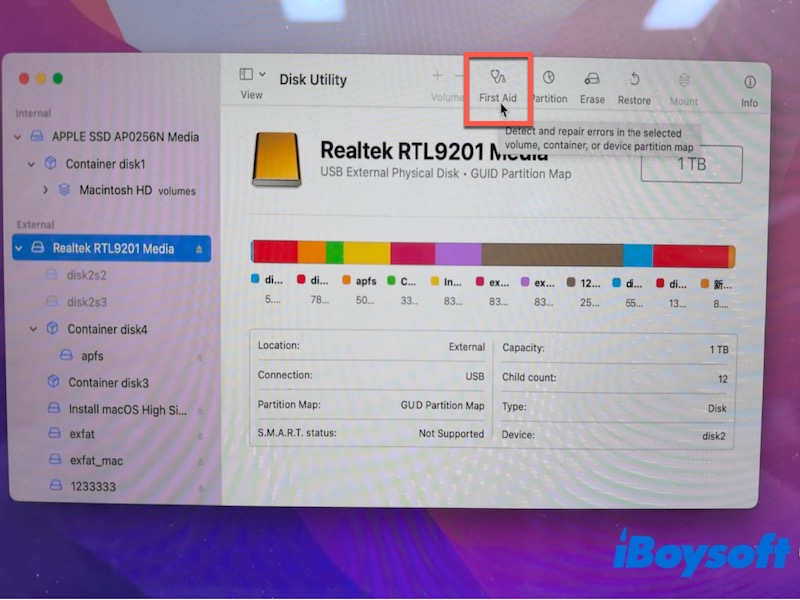
- Wait for the process to complete, then reconnect the drive.
If errors are fixed, files will reappear. If errors persist, move on to recovery.
Fix 4 Recover Lost Files with Data Recovery Software
If your drive appears empty, files are not in Trash, and First Aid didn't help, the data is likely deleted—but still recoverable.
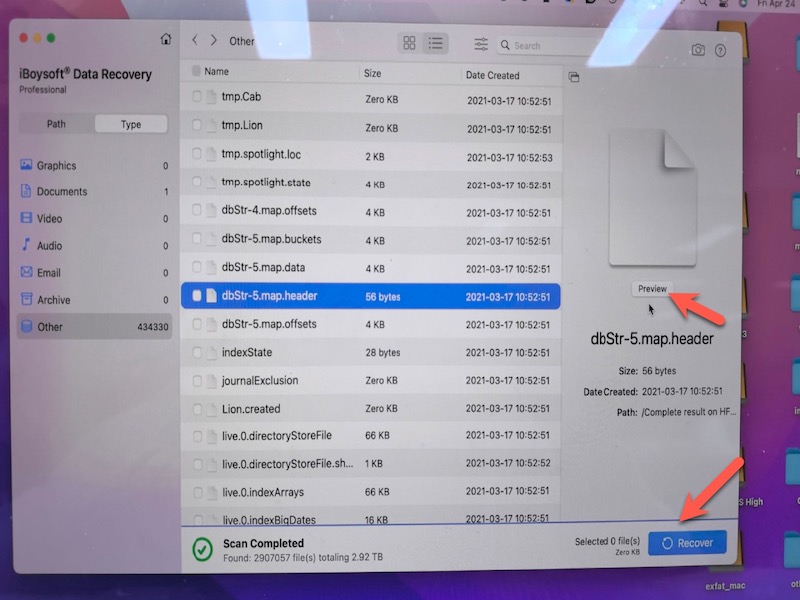
In this situation, recovery software scans the raw disk space to locate file traces.
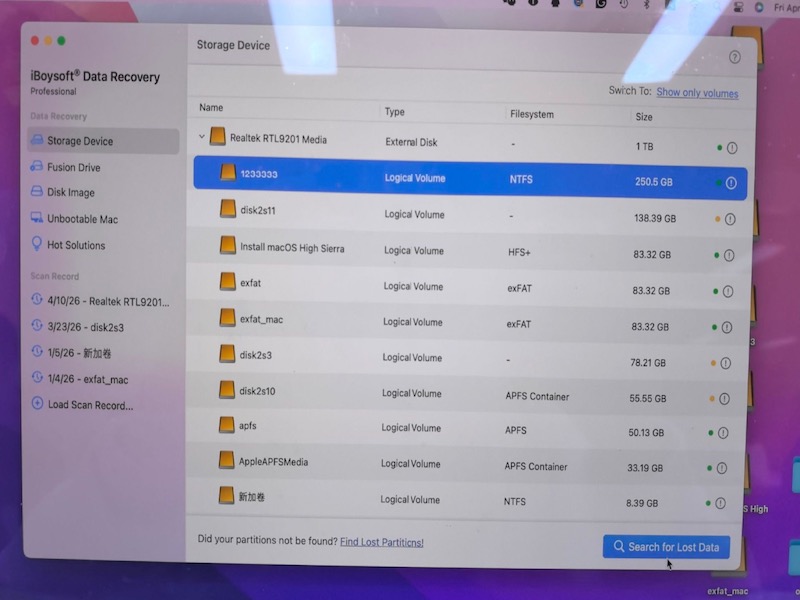
iBoysoft Data Recovery for Mac is a reliable Mac file recovery software. It can recover deleted/lost photos, audio files, pages, documents, movies, etc. This powerful data recovery tool can recover missing files from the emptied Trash. It can also recover lost data from external hard drives, USB flash drives, SD cards, memory cards, etc.
In a typical recovery case (external HDD, exFAT), a full scan can rebuild the file structure and allow preview before recovery—this helps confirm whether files are still intact.
Note:
1. If data has been overwritten, it cannot be recovered
2. On an SSD with TRIM enabled, deleted data is often erased immediately and unrecoverable
This is why you should stop using the drive immediately once data loss is noticed
Why Files Disappear from External Drives on Mac
Most cases fall into a few practical causes:
- Hidden system files
- Accidental deletion
- File system corruption
- Drive used across different systems (Mac / Windows)
How to Prevent Files from Disappearing Again
- Always eject drives safely
- Avoid switching between macOS and Windows without proper formatting (use exFAT if needed)
- Keep backups (Time Machine or cloud)
- Stop using a drive immediately if it behaves abnormally
FAQs
- QHow to view files on the external hard drive on Mac?
-
A
1. Connect your external hard drive to your Mac.
2. Double-click the USB hard drive icon on the desktop to open up a Finder window and browse its contents.
- QExternal hard drive is full but has no files on Mac, how to fix it?
-
A
If your external hard drive is full and you can't access files in it. Use Disk Utility to fix the problem. Here is how:
1. Connect your external hard drive to your Mac.
2. Go to Launchpad > Others, and click on Disk Utility to open it.
3. Select the external hard drive you can't see files on it in the Sidebar.
4. Click on First Aid at the top and choose Run.
- Q2.How do I recover a file that disappeared on my Mac?
-
A
Start by checking hidden files and the Trash. If the files don’t appear, use Disk Utility to repair the drive. If that doesn’t work, use data recovery software to scan the drive—just make sure to stop using it first to avoid overwriting the data.