How to Enable Code Editors to iBoysoft Launch With Menu on Mac

Although you can launch a JetBrains app, code editor, Terminal, or text editor on your Mac from Launchpad or the Applications folder in Finder, it is time-consuming especially sometimes when a good idea comes to you or you’re in a hurry to end a task. In that case, jumping to a code editor interface with iBoysoft Launch With looks extremely convenient.

The steps for downloading and installing desired code editors onto iBoysoft Launch With menu are:

  • 1

    Free download and install iBoysoft MagicMenu (a comprehensive macOS right-click enhancer that contains various powerful extensions) on your Mac.

  • 2

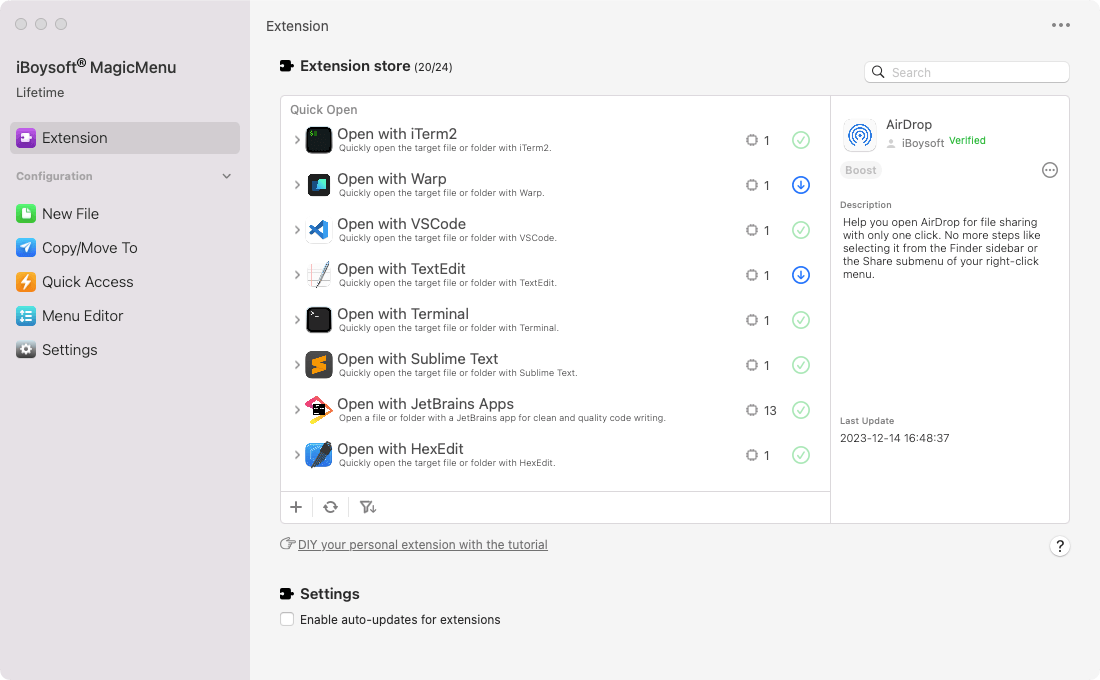
    Open iBoysoft MagicMenu. On the main interface, click on Extension on the left sidebar.

  • 3

    In the Quick Open section, you'll see a list of code editing programs here. Click the download button next to those you want to add. Then, you can see them on the Launch With submenu of your right-click menu.

launch file with a code editor

How to Use iBoysoft Launch With to Open a File With a Code Editor on Mac

Since you've downloaded and added the desired code editors onto the iBoysoft Launch With menu, you can open the file you want to with the code editing tool at any time with a right-click.

Here are the steps to open a file with a code editor via a right-click on your Mac:

Step1

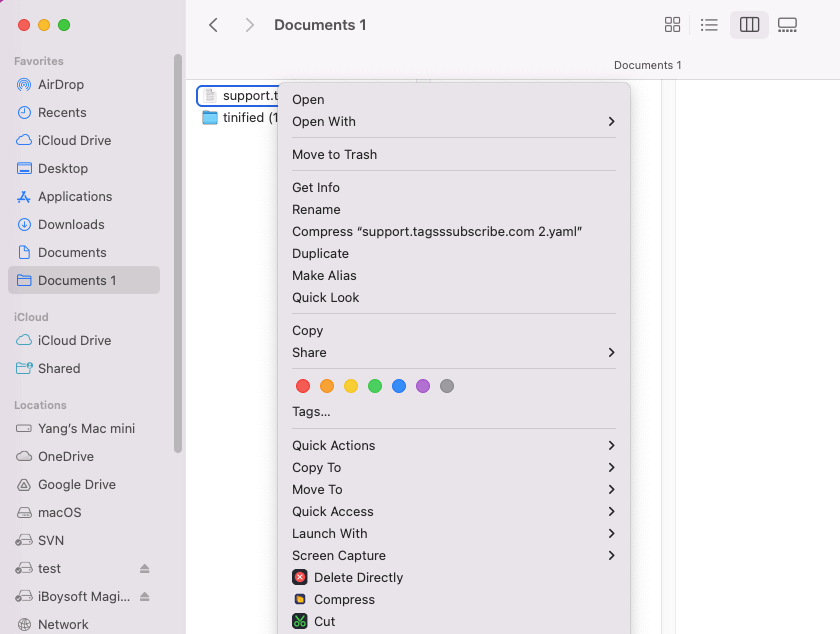
Make sure iBoysoft MagicMenu is opened. Right-click the target file that you want to proceed with the code edition in Finder or on the desktop.

iBoysoft Launch With
Step2

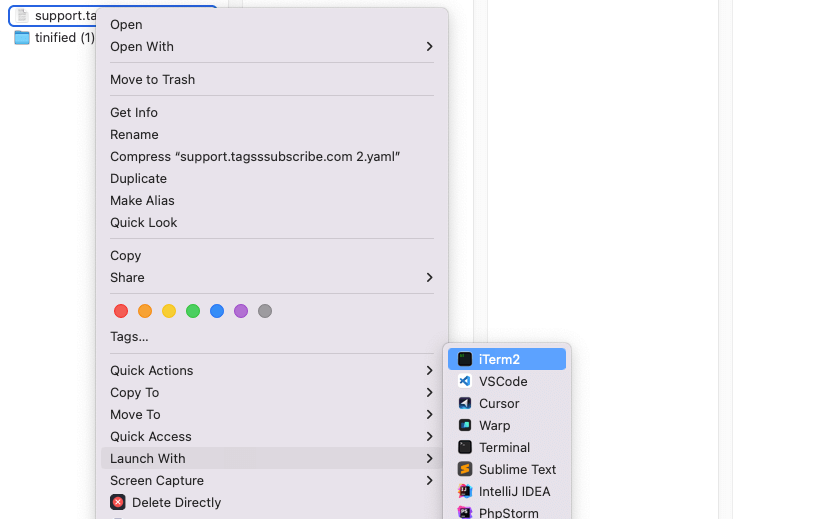
Select Launch With and then choose a code editor you want to use. If you find that your wanted code editing tool doesn't show up there, back to the iBoysoft MagicMenu's Extension to add it.

iBoysoft Launch With
Step3

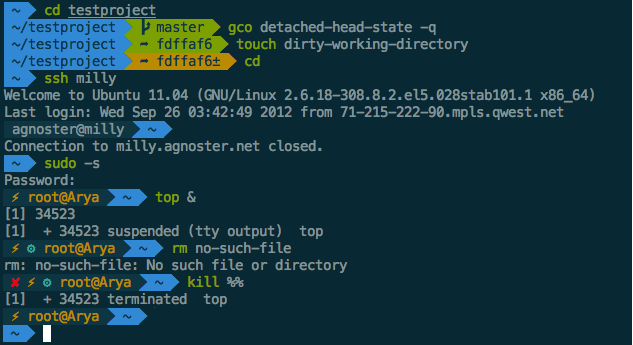
The file will immediately be opened with the selected code editor. You can start your code-writing jab.

edit file with code editor

Up to now, iBoysoft MagicMenu supports quick open a file with iTerm2, Warp, VSCode, TextEdit, Terminal, Sublime Text, JetBrains Apps, HexEdit, Cursor, CodeRunner, BBEdit, and Atom.

FAQs about iBoysoft Launch With

A

You can use iBoysoft MagicMenu to quickly open a file with iTerm2 via a right-click. Simply down iBoysoft MagicMenu, install and then open it. Click on Extension from the left sidebar and find the Quick Open section. Next, click the download button next to Open With iTerm 2. Finally, right-click the target file and select Launch With > iTerm2

A

iTerm2, VSCode, Terminal, Sublime Text, JetBrains Apps, HexEdit, BBEdit, Atom, Warp, and Cursor.

A

Yes, simply go to the iBoysoft MagicMenu main interface > Extension, select the code editor you want to remove, next, click the three dots on the right panel and then click Uninstall.

iBoysoft News & Tips

download and install virtualbox

How to install macOS Catalina on VirtualBox on Windows?

This post is a complete guide to help you install macOS Catalina on VirtualBox on Windows.

the application finder does not have permission to open null

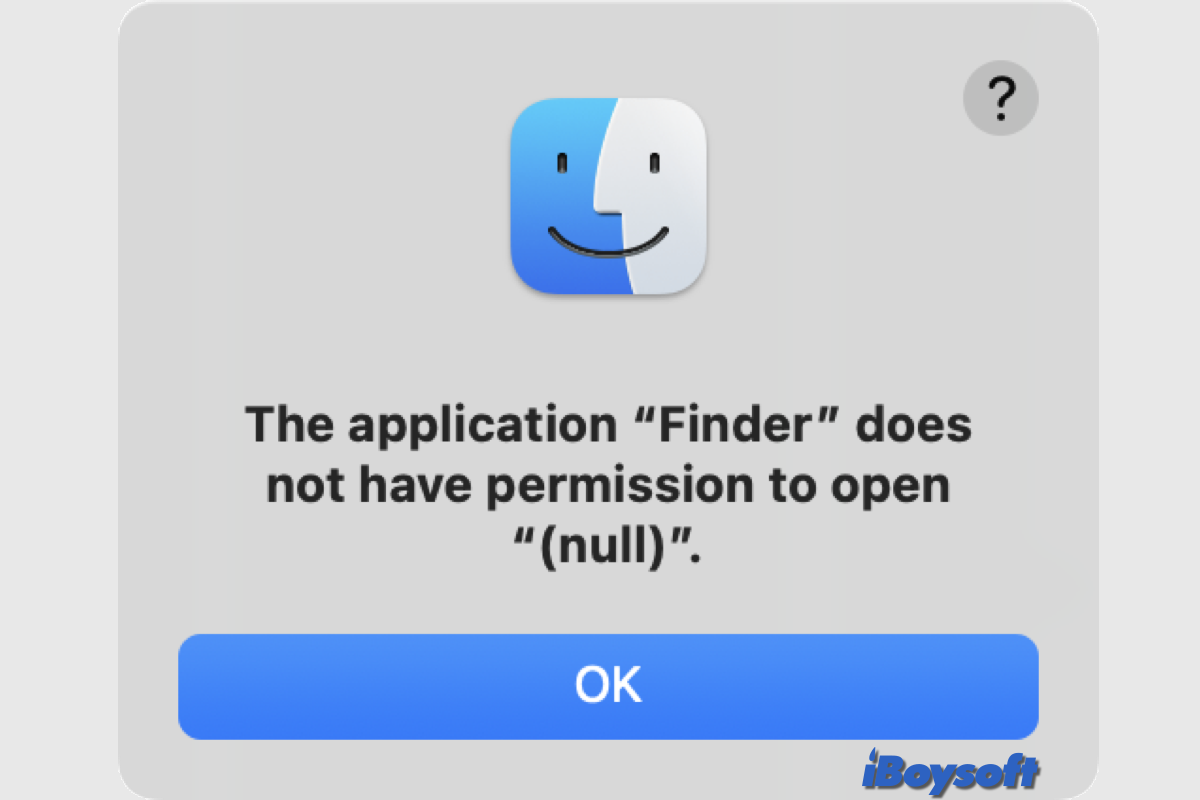
The Application Finder Does Not Have Permission to Open Null

This post explains the error that the application Finder does not have permission to open null on Mac, and provides a fix for the problem.

macos sonoma virtualbox

How to Install macOS Sonoma on VirtualBox on Windows PC

Want to get a taste of the macOS Sonoma on your Windows PC? This post from iBoysoft is right for you to install macOS Sonoma on VirtualBox on a Windows PC.

How to Install macOS 13 on VirtualBox

How to Install macOS 13 on VirtualBox on Windows PC?

This article helps you have a wonderful experience macOS Ventura on a Windows PC by teaching you how to install macOS 13 on VirtualBox on Windows.

macos monterey vmdk

Free Download macOS Monterey VMDK for VMware/VirtualBox

You can directly download macOS Monterey VMDK on your PC with the link in this post, after that, you configure the VMware/VirtualBox with it and run macOS Monterey on your Windows PC.

macos big sur vmdk

Download macOS 11 Big Sur VMDK for VMware or VirtualBox

You can download macOS Big Sur VMDK for free from the link provided in this post. After that, you can install macOS 11 Big Sur on VMware or VirtualBox on a Windows PC.